


|
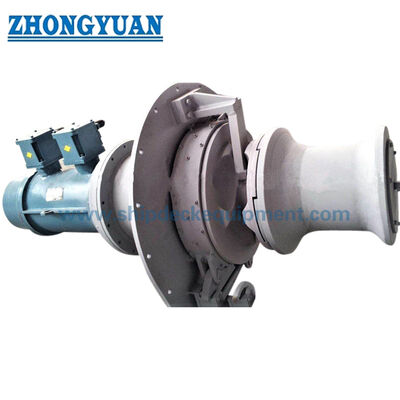
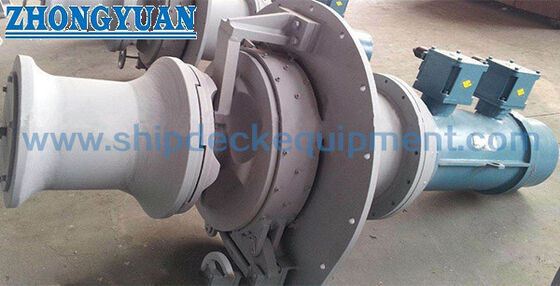
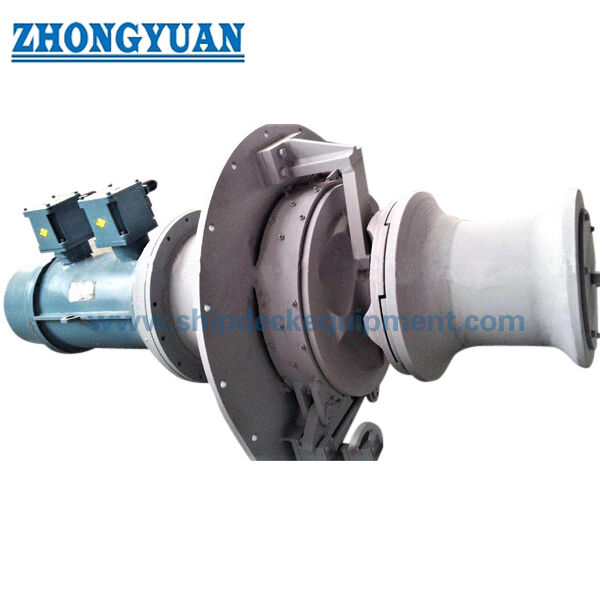
Electric Vertical Anchor Capstan with Gypsy & Warping Head | Ship Anchor Chain Handling
Product Details:
| Place of Origin: | China |
| Brand Name: | Zhongyuan Marine Equipmen |
| Certification: | CCS, NK, BV, ABS, DNV, LR, KR, IRS, RS, RINA, CRS, Makers Test Certificate |
| Model Number: | Standard or Customized |
Payment & Shipping Terms:
| Minimum Order Quantity: | 1 Unit |
|---|---|
| Price: | Based on quotation |
| Packaging Details: | Export standard pallet or customized packing |
| Delivery Time: | Based on project requirements |
| Payment Terms: | T/T, L/C |
| Supply Ability: | Customized production based on project requirements |
|
Detail Information |
|||
| Function: | Mooring & Hoisting Anchor | Working Load: | 5KN To 250KN |
|---|---|---|---|
| Warping Head Diameter: | 200-700 Mm | Warping Speed(m/min): | 9-18m/Min |
| Wire Rope Dia: | 11 - 46 (mm) | Material: | Stainless Steel (Polished), Mild Steel,Casting |
| Power: | Electric | Control: | Local Or Remote Control |
| Classification Certificates: | CCS, NK, BV, ABS, DNV, LR, KR, RINA, IRS, RS, Etc | ||
| Highlight: | 250KN Mooring Capstan,Electric vertical anchor capstan,9m/Min vertical anchor capstan |
||
Product Description
Electric Vertical Anchor Capstan with Gypsy & Warping Head | Ship Anchor Chain Handling
Product Overview
The electric vertical anchor capstan is a vertical-axis anchoring machine for handling a vessel’s own anchor chain through a matched cable lifter / gypsy. A warping head on the same unit provides a separate rope-handling function when specified. The electric arrangement typically combines a marine electric motor, reduction gearbox, vertical drive shaft, cable lifter, clutch, brake, warping head and control equipment.
The supplied selection table covers nominal chain diameters from 12.5 to 70 mm and lists separate reference working-load values for AM2 and AM3 chain grades. Final equipment selection should not be made from chain diameter alone: anchor mass, chain grade and calibrated link geometry, required heaving performance, brake / holding basis, hawse-pipe and chain-pipe lead, chain stopper arrangement, deck foundation, ship electrical supply, control philosophy and classification requirements must be confirmed. IACS UR A3 specifically addresses anchor windlass design and testing, while IACS UR A1 covers anchoring equipment; the final project basis remains subject to the applicable class rules and approved vessel arrangement.
Quick Specifications
- Drive: Electric motor with reduction gearbox → selected to suit shipboard voltage, frequency, duty, starting method and approved control philosophy.
- Anchor chain range: 12.5–70 mm → the cable lifter / gypsy must match the exact chain diameter and calibrated link geometry, not nominal diameter alone.
- Reference anchor-chain working load: AM2 6.6–208.3 kN / AM3 14.6–232.8 kN → retained as supplied selection data; not renamed as SWL, proof load or breaking load.
- Nominal chain speed: ≥ 9 m/min in the supplied table → final guaranteed speed and test condition to be confirmed for the selected model.
- Warping load: 5–200 kN → a separate warping-head duty and not interchangeable with the anchor-chain working-load column.
- Warping head diameter: 200–700 mm stated in the supplied information → final diameter, rope suitability and line lead to be confirmed by project drawing.
- Control: Local or remote control available → emergency stop, local priority, brake / clutch interlocks, indication and interface signals to be defined in the approved control philosophy.
- Testing / class scope: According to project requirement → design review, FAT, brake and functional tests, material traceability and class witnessing are agreed before manufacture.
Main Technical Parameters
|
Chain Dia. |
Working Load (kN)
|
Nominal Speed |
Warping Load |
Motor Power (kW)
|
||
|---|---|---|---|---|---|---|
|
|
AM2 |
AM3 |
|
|
Electric |
Hydraulic |
| 12.5 | 6.6 | 14.6 | 9 | 5 | 2.2/0.75 | 2.2 |
| 14 | 8.3 | 17.2 | 9 | 6 | 2.2/0.75 | 3 |
| 16 | 10.9 | 20 | 9 | 8 | 2.2/0.75 | 4 |
| 17.5 | 13 | 14.6 | 9 | 10 | 3/1.3 | 4/5.5 |
| 19 | 15.3 | 17.2 | 9 | 10 | 4.3/1.7 | 5.5 |
| 20 | 17.9 | 20 | 9 | 15 | 4.3/1.7 | 5.5/7.5 |
| 22 | 20.6 | 23 | 9 | 15 | 6/2.5 | 7.5 |
| 24 | 24.5 | 27.4 | 9 | 20 | 8.5/3.5 | 7.5/11 |
| 26 | 28.7 | 32.1 | 9 | 20 | 8.5/3.5 | 11 |
| 28 | 33.3 | 37.2 | 9 | 25 | 8.5/3.5 | 11 |
| 30 | 38.3 | 42.8 | 9 | 30 | 11/11/7.5 | 15 |
| 32 | 43.5 | 48.6 | 9 | 30 | 11/11/7.5 | 15 |
| 34 | 49.1 | 54.9 | 9 | 40 | 16/16/11 | 15/8.5 |
| 36 | 55.1 | 61.6 | 9 | 40 | 16/16/11 | 18.5 |
| 38 | 61.4 | 68.9 | 9 | 50 | 16/16/11 | 18.5/22 |
| 40 | 68 | 76 | 9 | 60 | 22/22/16 | 22/30 |
| 42 | 75 | 83.8 | 9 | 60 | 22/22/16 | 22/30 |
| 44 | 82.3 | 92 | 9 | 70 | 22/22/16 | 30 |
| 46 | 89.9 | 100.5 | 9 | 80 | 30/30/22 | 30 |
| 48 | 97.9 | 109.4 | 9 | 80 | 30/30/22 | 30/37 |
| 50 | 106.3 | 118.8 | 9 | 90 | 30/30/22 | 37 |
| 52 | 114.9 | 128.4 | 9 | 100 | 30/30/22 | 37/45 |
| 54 | 123.9 | 138.5 | 9 | 100 | 45/45/30 | 45 |
| 56 | 133.3 | 149 | 9 | 120 | 45/45/30 | 45 |
| 58 | 143 | 159.8 | 9 | 120 | 45/45/30 | 45/55 |
| 60 | 153 | 171 | 9 | 140 | 45/45/30 | 55 |
| 62 | 163.4 | 182.6 | 9 | 150 | 45/45/30 | 55 |
| 64 | 174.1 | 194.6 | 9 | 160 | 60/60/45 | 55/75 |
| 66 | 185.1 | 206.9 | 9 | 160 | 60/60/45 | 75 |
| 68 | 196.5 | 219.6 | 9 | 180 | 60/60/45 | 75 |
| 70 | 208.3 | 232.8 | 9 | 200 | 60/60/45 | 75 |
Selection & Inquiry Guide
Step 1: Confirm the equipment as an electric vertical anchor capstan / vertical windlass arrangement for the vessel’s own anchor, and provide vessel type, class society, anchor arrangement drawing and anchor mass.
Step 2: Confirm chain diameter, AM2 / AM3 grade, governing chain standard, pitch and link geometry, chain certificate if available, chain stopper arrangement, hawse-pipe lead and chain-pipe position.
Step 3: Confirm required anchor heaving speed and warping-head duty separately, including rope type / diameter, required warping load and expected line lead.
Step 4: Provide ship electrical data: voltage, frequency, phase, motor duty, starting method, enclosure / protection requirement, control voltage and any anti-condensation heating requirement.
Step 5: Confirm local / remote control functions, emergency stop, indications, alarms, interlocks and interface signals; provide deck foundation / installation information and maintenance-access constraints.
Step 6: Confirm material / coating specification, quantity, certificate and FAT scope, delivery destination, required delivery time, and approved drawings or replacement-equipment photos if available.
Structure
Marine electric motor | Reduction gearbox | Vertical drive shaft | Cable lifter / chain gypsy | Clutch | Brake | Warping head | Bearings and lubrication points | Base / foundation structure | Local controls | Electrical control cabinet | Guards / inspection access according to approved design
Anchoring Design, Drive & Installation Advantages
- Vertical-axis arrangement can reduce deck footprint, but service clearance for the gypsy, warping head, brake / clutch operation, gearbox, motor and removal route must still be checked on the vessel GA.
- Gypsy pocket geometry is a chain-matching item. Correct seating depends on the approved stud-link chain dimensions; a replacement project should provide the existing gypsy drawing, chain certificate, chain sample or measured link geometry where practical.
- Alignment between hawse pipe, cable lifter, chain stopper and chain pipe is an installation-critical issue. Poor lead can cause side loading, irregular chain seating and accelerated wear.
- The brake, clutch and chain stopper perform different functions. A chain stopper is used to secure the anchor chain and relieve strain on the windlass where fitted; the capstan brake should not automatically be treated as the vessel’s sole permanent securing device.
- Electric motor and gearbox selection should be checked as one drive system against required torque, speed, service duty, starting method and shipboard power conditions. Multi-speed or variable-speed functions should be identified explicitly in the approved motor / control schedule.
- Foundation reactions, local deck stiffness, fastening / welding details, shaft penetration where applicable, drainage, cable routing and maintenance access are project-specific and should come from approved equipment and vessel drawings.
- Commissioning should verify braking, clutch function, lowering and heaving, chain riding over the cable lifter, transit through hawse / chain pipe and satisfactory anchor / chain stowage according to the applicable approved test procedure.
Custom Attributes
- Product Type: Electric vertical anchor capstan → vertical-axis anchoring machinery with cable lifter / gypsy and a separate warping-head function.
- Chain Range: 12.5–70 mm → exact chain grade and calibrated geometry are required before final gypsy manufacture.
- Reference Chain Working Load: AM2 6.6–208.3 kN / AM3 14.6–232.8 kN → supplied selection values only; not chain proof load, breaking load or product SWL.
- Nominal Chain Speed: ≥ 9 m/min → final guaranteed value follows the selected model and approved test basis.
- Warping Load: 5–200 kN → applies to the warping-head function and must be selected separately from anchor-chain duty.
- Drive: Electric → marine motor, gearbox and controls matched to vessel electrical supply and duty.
- Control: Local / remote → final functions, interlocks, alarms and indications follow the approved control philosophy.
- Classification / Certificate Scope: According to project requirement → design approval, product certification, FAT witnessing and material traceability are subject to the agreed class / order scope.
How It Works
Electric motor starts → Reduction gearbox drives the vertical shaft → Clutch connects the cable lifter for anchor-chain operation → Matched gypsy engages the chain to heave or pay out → Brake controls / holds the cable lifter according to the operating procedure → Chain stopper secures the chain where required by the vessel arrangement → Warping head is used separately for approved rope-handling duty
Applications
Merchant vessels | Cargo ships | Tankers | Tugs and service vessels | Workboats | Coastal / inland vessels subject to project rules | Newbuilding anchor stations | Replacement vertical windlass / anchor capstan arrangements
Certifications & Advantages
Design review, manufacturing inspection, factory acceptance testing, material traceability and class witnessing can be arranged according to project requirement, the vessel’s classification society, approved technical specification and agreed inspection plan. Certificate scope should be confirmed before quotation.
Certification: CCS, NK, BV, ABS, DNV, LR, KR, IRS, RS, RINA, CRS, Makers Test Certificate.
Drawing & Photos

FAQ
Q1: Is this the same as an offshore anchor-handling winch?
A1: No. This page describes machinery for handling the vessel’s own anchoring system. Offshore anchor-handling winches used to deploy, recover or shift anchors for offshore units are a different equipment category with different regulatory and operational requirements.
Q2: What information is most important for selecting the correct cable lifter / gypsy?
A2: Confirm nominal chain diameter, AM2 / AM3 grade, governing chain standard, pitch and link geometry, and preferably the chain certificate, approved chain drawing or replacement sample. Nominal diameter alone is not sufficient for final pocket machining.
Q3: What should be confirmed before ordering the electric drive and brake package?
A3: Confirm ship voltage, frequency, phase, motor duty, starting method, available power, enclosure / protection requirement, local and remote control functions, brake holding basis, class society, FAT / witness scope and deck foundation data.