


|
Marine Electric Vertical Anchor Capstan with Warping Head | 12.5–40 mm Chain
Product Details:
| Place of Origin: | China |
| Brand Name: | Zhongyuan Marine Equipmen |
| Certification: | CCS, NK, BV, ABS, DNV, LR, KR, IRS, RS, RINA, CRS, Makers Test Certificate |
| Model Number: | Standard or Customized |
Payment & Shipping Terms:
| Minimum Order Quantity: | 1 Unit |
|---|---|
| Price: | Based on quotation |
| Packaging Details: | Export standard pallet or customized packing |
| Delivery Time: | Based on project requirements |
| Payment Terms: | T/T, L/C |
| Supply Ability: | Customized production based on project requirements |
|
Detail Information |
|||
| Working Load: | 5KN To 250KN | Type: | Vertical Or Horizontal |
|---|---|---|---|
| Warping Speed(m/min): | 9-18m/Min | Wire Rope Dia.: | 12.5- 46 (mm) |
| Material: | Stainless Steel (Polished), Mild Steel, Casting | Power: | Electric, Electric Hydraulic, Diesel Engine Type |
| Classification Certificates: | CCS, NK, BV, ABS, DNV-GL, LR, KR, BKI, IRS, RS, Etc | ||
| Highlight: | vertical capstan windlass,Marine vertical capstan windlass,vertical anchor windlass |
||
Product Description
Marine Electric Vertical Anchor Capstan with Warping Head | 12.5–40 mm Chain
Product Overview
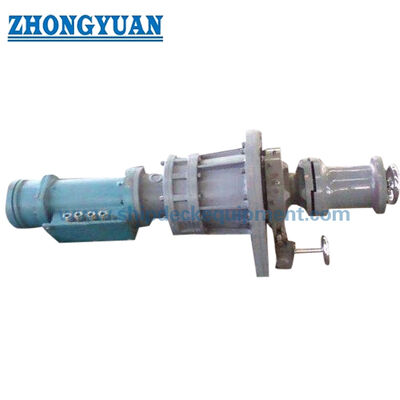
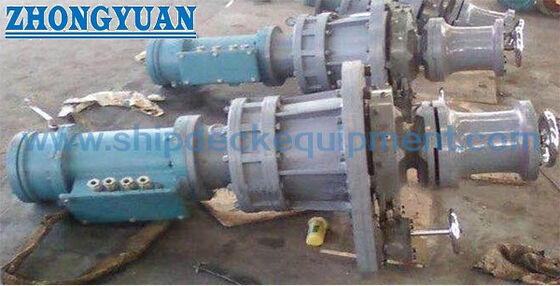
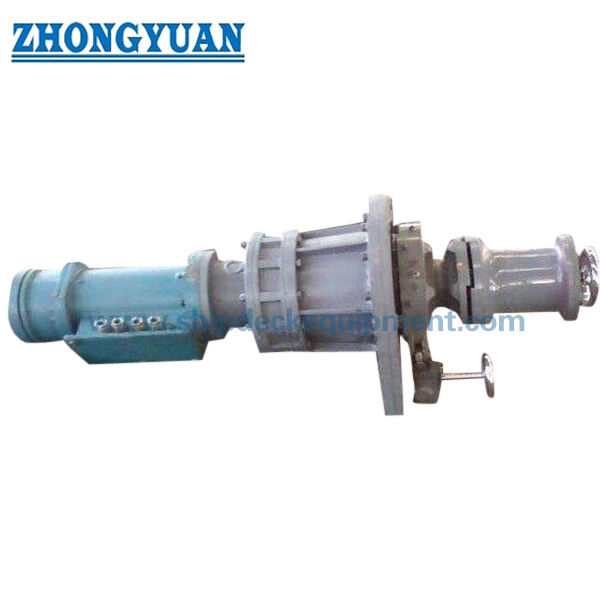
This marine electric vertical anchor capstan is a vertical-shaft anchoring deck machine combining a chain gypsy (cable lifter) with a warping head. The gypsy handles the anchor chain for controlled pay-out and recovery, while the warping head provides a separate working surface for tending rope. The arrangement is intended for shipboard anchoring stations where a compact deck footprint and accessible rope-handling head are required.
Selection must be based on the actual anchor-chain diameter and grade, anchor mass, anchorage depth, required working load, chain recovery speed, brake and chain-stopper arrangement, power supply, foundation loads, and class requirement. ISO 4568:2021 covers windlasses and anchor capstans for sea-going vessels and defines the working load as a continuous load derived from chain diameter and chain grade; it is not a lifting SWL. Final GA, motor, reducer, brake, clutch, electrical protection and foundation details remain project-specific.
Quick Specifications
Equipment configuration: Vertical electric anchor capstan with chain gypsy and warping head → combines anchor-chain handling and rope warping in one vertical deck machine.
Chain range: Grade 2 chain 12.5–40 mm; Grade 3 chain 22–34 mm in the supplied table → the gypsy must match the ordered chain diameter, grade and link geometry.
Working load: 7.5–68.0 kN in the listed configurations → values correspond to ISO 4568 working-load relationships for Grade 2 and Grade 3 chain and must not be described as lifting SWL.
Chain recovery speed: 12 m/min → above the ISO 4568 minimum nominal recovery speed of 0.15 m/s (9 m/min), subject to final project verification.
Warping head: 200–500 mm diameter with listed speed 10–18 m/min → provides a rope-handling surface; it is not a rope-storage drum.
Electric motor power: 4.5–30 kW in the supplied configurations → final motor rating depends on chain duty, starting method, service condition and approved design.
Brake and clutch: Cable-lifter braking and declutching are core anchoring functions → final brake capacity, clutch arrangement and chain-stopper interface are confirmed on the project GA.
Standards basis: ISO 4568:2021 for windlasses / anchor capstans; ISO 1704:2022 for stud-link anchor-chain geometry; ISO 6482:2017 for warping-end profiles where specified.
Main Technical Parameters
|
Chain Grade |
Chain Dia. |
Working Load |
Chain Speed |
Warping Head Dia. |
Warping Speed |
Motor Power |
|---|---|---|---|---|---|---|
| Grade 2 | 12.5 | 7.5 | 12 | 200 | 10–18 | 4.5 |
| Grade 2 | 14 | 11 | 12 | 200 | 10–18 | 5 |
| Grade 2 | 16 | 15 | 12 | 250 | 10–18 | 7 |
| Grade 2 | 17.5 | 17 | 12 | 250 | 10–18 | 9 |
| Grade 2 | 19 | 19 | 12 | 250 | 10–18 | 11 |
| Grade 2 | 22 | 20.6 | 12 | 300 | 10–18 | 11 |
| Grade 2 | 24 | 24.5 | 12 | 300 | 10–18 | 11 |
| Grade 2 | 26 | 28.7 | 12 | 300 | 10–18 | 11 |
| Grade 2 | 28 | 33.3 | 12 | 300 | 10–18 | 11 |
| Grade 2 | 30 | 38.3 | 12 | 350 | 10–18 | 18.5 |
| Grade 2 | 32 | 43.5 | 12 | 350 | 10–18 | 18.5 |
| Grade 2 | 34 | 49.1 | 12 | 350 | 10–18 | 22 |
| Grade 2 | 36 | 55.1 | 12 | 350 | 10–18 | 30 |
| Grade 2 | 38 | 61.4 | 12 | 350 | 10–18 | 30 |
| Grade 2 | 40 | 68 | 12 | 400 | 10–18 | 30 |
| Grade 3 | 22 | 23 | 12 | 400 | 10–18 | 11 |
| Grade 3 | 24 | 27.4 | 12 | 400 | 10–18 | 15 |
| Grade 3 | 26 | 32.1 | 12 | 400 | 10–18 | 18.5 |
| Grade 3 | 28 | 37.2 | 12 | 400 | 10–18 | 18.5 |
| Grade 3 | 30 | 42.8 | 12 | 500 | 10–18 | 22 |
| Grade 3 | 32 | 48.6 | 12 | 500 | 10–18 | 30 |
| Grade 3 | 34 | 54.9 | 12 | 500 | 10–18 | 30 |
Selection & Inquiry Guide
Step 1: Confirm the equipment configuration: vertical electric anchor capstan with one chain gypsy / cable lifter and warping head; provide vessel type and installation position.
Step 2: Provide anchor-chain diameter, chain grade, chain certificate or link dimensions, anchor mass and maximum anchorage depth. These are primary inputs for working-load and gypsy selection.
Step 3: Confirm required chain recovery speed, brake / holding requirement, chain stopper arrangement, hawse-pipe and chain-pipe geometry, and any specified warping-head line pull.
Step 4: Provide ship power supply, motor starting method, local / remote control scope, emergency-stop requirement, electrical enclosure / IP requirement and hazardous-area requirement if applicable.
Step 5: Confirm deck foundation and under-deck reinforcement, corrosion-protection system, material requirements, classification society and inspection / certificate scope.
Step 6: Provide quantity, GA or deck arrangement drawing, delivery destination and required delivery time for final technical and commercial confirmation.
Structure
Vertical shaft | Chain gypsy / cable lifter | Warping head | Electric motor | Reduction gearbox | Declutching arrangement | Cable-lifter brake | Main bearings | Bedplate / foundation interface | Local control and protection components
Anchoring, Drive & Installation Advantages
Chain-grade-based selection links the working load to the actual chain cable instead of choosing the unit by motor power alone. This reduces the risk of an incorrectly matched gypsy or drive duty.
The vertical arrangement concentrates the chain gypsy and warping head around a vertical shaft, which can suit deck layouts where horizontal machinery length is restricted; under-deck drive arrangement must still be confirmed by GA.
The cable lifter should be declutchable from the drive, allowing anchoring operations to be controlled separately from powered recovery in accordance with the selected design standard and approved arrangement.
Electric-drive braking should be fail-safe for loss of power or stop condition when ISO 4568:2021 is used as the design basis. Final brake capacities and holding-load criteria must be confirmed for the chain grade and approved anchoring arrangement.
Gypsy centreline, hawse pipe, chain pipe and chain stopper should be coordinated as one chain path. Correct alignment helps chain seating and reduces abnormal side loading on the cable lifter.
Foundation and local deck reinforcement should be checked for transmitted anchoring, braking and drive loads. The equipment foundation should not be treated independently from the supporting hull structure.
Inspection scope can be agreed at quotation stage, including material traceability, dimensional checks, no-load operation, performance verification and class witnessing when required.
Custom Attributes
Equipment Type: Vertical electric anchor capstan → chain gypsy for anchoring plus warping head for rope handling.
Chain Cable: Grade 2, 12.5–40 mm; Grade 3, 22–34 mm in supplied table → exact chain grade and link geometry must be confirmed before gypsy manufacture.
Working Load: 7.5–68.0 kN in listed configurations → ISO-style continuous anchoring duty; not a lifting SWL and not a mooring-rope SWL.
Chain Speed: 12 m/min in supplied table → final performance to be verified against project and class requirement.
Warping Head: 200–500 mm diameter, 10–18 m/min in supplied table → rope-handling head; specified rope pull, if required, must be confirmed separately.
Drive: Electric → voltage, frequency, duty, starting method, enclosure and control arrangement to be confirmed.
Brake / Clutch: Project-specific arrangement → cable-lifter brake, control brake and declutching details to be confirmed on approved GA.
Foundation: Deck / under-deck integration to be confirmed → load path, bolt or weld arrangement, reinforcement and service access depend on vessel design.
Classification: Available according to project requirement → approval, witnessing and certificate scope are subject to the selected classification society and order scope.
How It Works
Prepare brake / clutch and chain stopper as required → Control anchor-chain pay-out through the gypsy and hawse pipe → Engage electric drive for recovery → Motor and reduction gearing rotate the cable lifter → Chain is recovered through the chain pipe → Brake and chain stopper secure the anchoring arrangement; the warping head is operated separately for rope tending
Applications
Coastal cargo vessels | Workboats | Tug and service vessels | Inland / coastal commercial vessels where applicable | Small and medium ship anchoring stations | Compact foredeck anchoring arrangements | Newbuilding and replacement projects
Certifications & Advantages
Design review, inspection and testing can be arranged according to the agreed project specification, applicable standard and classification-society requirements. Certificate and witnessing scope should be confirmed before quotation and is subject to class approval.
Certification: CCS, NK, BV, ABS, DNV, LR, KR, IRS, RS, RINA, CRS, Makers Test Certificate — available upon request according to project requirement and agreed inspection scope.
Drawing & Photos
FAQ
Q1: Is the listed working load the SWL of the warping head or a lifting capacity?
A1: No. For this anchor capstan, working load refers to the continuous anchor-chain duty at the cable lifter. It is derived from chain diameter and chain grade. It should not be used as a lifting SWL or as the allowable mooring-rope load on the warping head.
Q2: Why do 22–34 mm chain sizes appear twice with different working loads?
A2: The two groups correspond to different anchor-chain grades. The 20.6–49.1 kN values for 22–34 mm match the ISO 4568 Grade 2 working-load relationship, while the 23.0–54.9 kN values match Grade 3. The ordered chain grade must therefore be stated together with chain diameter.
Q3: What information is required before selecting the final anchor capstan?
A3: Provide chain diameter and grade, anchor mass, maximum anchorage depth, chain stopper arrangement, required speed, power supply, control scope, class society, deck / hawse-pipe / chain-pipe arrangement, quantity and delivery requirement.
