


|
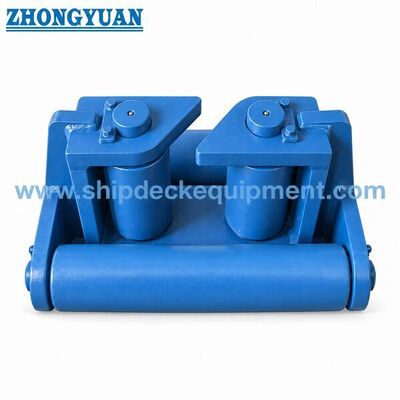
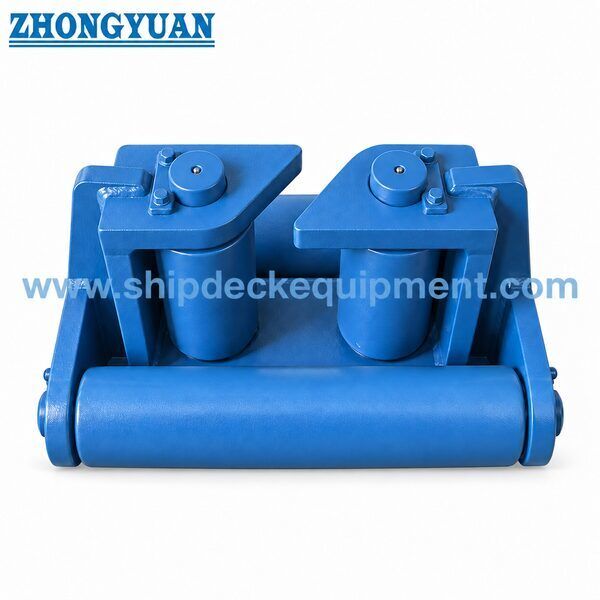
Open Type Four-Roller Marine Fairlead for Engineering Vessels | CB 3015-1983 Type A Lower Horizontal Roller Arrangement
Product Details:
| Place of Origin: | China |
| Brand Name: | Zhongyuan Marine Equipmen |
| Certification: | CCS, NK, BV, ABS, DNV, LR, KR, IRS, RS, RINA, CRS, Makers Test Certificate |
| Model Number: | Standard or Customized |
Payment & Shipping Terms:
| Minimum Order Quantity: | 1 Unit |
|---|---|
| Price: | Based on quotation |
| Packaging Details: | Export standard pallet or customized packing |
| Delivery Time: | Based on project requirements |
| Payment Terms: | T/T, L/C |
| Supply Ability: | Customized production based on project requirements |
|
Detail Information |
|||
| Standard: | CB* 3015-83 | Type: | Type A, 2 Vertical Rollers And 2 Bottom Horizontal Rollers |
|---|---|---|---|
| Roller Diameters: | 100mm To 300mm | Materials: | C-Mn Steel, Mild Steel, Stainless Steel |
| Applications: | Dredgers, Crane Ships, Piling Boats And Other Engineering Vessels | Surface Treatment: | Sandblasting To S2.5 + One Layer Of Epoxy Shop Primer, Polished, Galvanized, Customized Surface Treatment Available |
| Classification Certificates: | CCS, NK, BV, ABS, DNV, LR, KR, IRS, RS, RINA | ||
| Highlight: | CB/T 3015 Fairlead,Ship Towing Equipment Fairlead,Four Rollers Fairlead |
||
Product Description
Open Type Four-Roller Marine Fairlead for Engineering Vessels | CB 3015-1983 Type A Lower Horizontal Roller Arrangement
Product Overview
The CB 3015-1983 Type A engineering vessel fairlead is an open-type roller-guidance assembly used to control the path of steel wire rope or another project-specified line at an engineering vessel rope-lead position. Its four-roller arrangement uses two vertical rollers and two horizontal rollers to form a guided opening, helping the line change direction while reducing sliding contact against fixed steel edges.
The size range is based on vertical roller diameter D from 100 to 300 mm, with reference steel wire rope diameters from 19.5 to 56 mm. Selection should be coordinated with the vessel towing or mooring arrangement, line construction, lead angle, project design load, mounting foundation, roller material, shaft arrangement, lubrication method, coating system, and inspection scope. Standard: CB 3015-1983 Type A.
Quick Specifications
- Product type: Engineering vessel four-roller fairlead → guides towing or mooring lines through a controlled roller opening; it is not a winch or lifting appliance.
- Standard and type: CB 3015-1983 Type A → reference for the Type A arrangement, size designation, and principal dimensions.
- Roller arrangement: Open type arrangement with two vertical rollers + two lower horizontal rollers → supports controlled rope guidance with convenient upper rope insertion.
- Vertical roller diameter D: 100 / 150 / 200 / 250 / 300 mm → primary model designation for quotation and drawing confirmation.
- Horizontal roller diameter D1: 85 to 250 mm → coordinated with the Type A frame and rope-contact geometry.
- Applicable steel wire rope diameter: 19.5 to 56 mm, reference → final suitability depends on rope construction, lead angle, and project load basis.
- Main envelope: L 540–1460 mm, B 340–900 mm, H 240–620 mm → used for deck or bulwark layout and installation-space checking.
- Material and finish: C-Mn steel, mild steel, stainless steel, blasting and epoxy shop primer, polishing, galvanizing, or project coating → exact component material and finish must be confirmed before production.
Main Technical Parameters
Type A main selection and envelope dimensions. Dimensions are in mm unless otherwise stated.
|
Vertical Roller |
Horizontal Roller |
Applicable Steel Wire |
L |
B |
H |
|---|---|---|---|---|---|
| 100 | 85 | 19.5 | 540 | 340 | 240 |
| 150 | 120 | 26 | 760 | 460 | 340 |
| 200 | 150 | 37.5 | 980 | 580 | 430 |
| 250 | 200 | 48.5 | 1220 | 740 | 520 |
| 300 | 250 | 56 | 1460 | 900 | 620 |
Selection & Inquiry Guide
Step 1: Confirm CB 3015-1983 Type A and select model D100, D150, D200, D250, or D300 according to the vessel drawing and required roller opening.
Step 2: Confirm steel wire rope diameter, rope construction, minimum bending requirement, working line direction, and expected lead angles. The reference rope diameter must not be treated as the product SWL or MBL.
Step 3: Confirm installation position, available space, mounting-hole arrangement, foundation or local reinforcement, and whether the fairlead is for a newbuilding or replacement project.
Step 4: Confirm the component material split for frame, rollers, shafts, bushes or bearings, together with lubrication and maintenance requirements.
Step 5: Confirm surface treatment, final coating, material traceability, class society involvement, inspection witnessing, and certificate scope before quotation.
Step 6: Provide quantity, vessel type, application, drawing or photos, delivery destination, required delivery time, and any replacement interchangeability requirement.
Structure
Open rope insertion arrangement | Two vertical rollers | Two lower horizontal rollers | Roller shafts | Side and support frame | Mounting-hole interface | Guided rope opening | Protective surface treatment
Type A open structure improves rope handling convenience because the wire rope can be placed from the upper opening before guided by the roller arrangement.
Roller Guidance, Installation & Quality Advantages
- The four-sided roller arrangement can guide a line where both horizontal and vertical direction changes occur, reducing direct sliding against a fixed steel opening.
- The five standard D sizes provide a clear starting point for matching rope diameter and vessel layout; final selection should still be checked against rope construction and project load conditions.
- Roller alignment, shaft concentricity, axial clearance, and free rotation should be controlled during assembly so the line contacts the intended roller surfaces.
- Rope-contact surfaces should be smooth and free from sharp edges that could damage steel wire rope, synthetic rope, or protective rope coatings.
- The frame and mounting interface transfer line reaction into the supporting ship structure; foundation design, fastening, and local reinforcement remain the responsibility of the vessel design or shipyard arrangement.
- Wear parts, bushes or bearings, lubrication points, and shaft retention details can be confirmed according to the project drawing and maintenance philosophy.
- Material certificates, dimensional inspection, rotation checks, coating inspection, and class witnessing can be arranged according to the agreed order scope.
Custom Attributes
- Standard: CB 3015-1983 → use when the vessel specification or replacement drawing calls for this engineering vessel fairlead arrangement.
- Type: Type A four-roller configuration → two vertical rollers and two horizontal rollers form the guided line opening.
- Model Range: D100 / D150 / D200 / D250 / D300 → model designation follows the vertical roller diameter.
- Applicable Wire Rope: Φ19.5 / 26 / 37.5 / 48.5 / 56 mm, reference → verify rope construction and project bending requirements before order.
- Material: C-Mn steel / mild steel / stainless steel options → exact material for frame, rollers, shafts, and bushes is to be confirmed.
- Surface Treatment: Sa 2.5 blasting + epoxy shop primer, painted, polished, galvanized, or customized → compatibility with moving parts and final vessel coating must be checked.
- Installation: Mounting-hole interface according to the standard dimension table → foundation, fasteners, deck or bulwark reinforcement, and line direction require project confirmation.
- Certificate Requirement: Available according to project requirement → maker certificate, material certificate, class certificate, or witness inspection scope should be agreed before quotation.
How It Works
Towing or mooring line approaches the fairlead → Line contacts the required vertical and/or horizontal roller → Rollers rotate as the line changes direction → Contact reaction passes through shafts and frame → Load is transferred into the vessel mounting foundation
Applications
Dredgers | Crane vessels | Pile-driving vessels | Engineering barges | Construction workboats | Towing-line guidance positions | Mooring-line guidance positions | Newbuilding and replacement projects
Certifications & Advantages
Certificates and inspection can be arranged according to project requirement, material traceability, agreed test scope, and classification society approval procedure.
Certification: CCS, NK, BV, ABS, DNV, LR, KR, IRS, RS, RINA, CRS, Makers Test Certificate.
Drawing & Photos

FAQ
Q1: How should the correct CB 3015 Type A size be selected?
A1: Start with the vessel drawing, roller diameter D, applicable wire rope diameter, required clear opening, line direction, and available installation space. Then confirm rope construction, lead angles, project design load, and foundation arrangement before final approval.
Q2: Does the applicable wire rope diameter represent the fairlead SWL or MBL?
A2: No. The table gives a reference rope diameter and principal dimensions. It does not provide a verified product SWL, MBL, test load, or breaking load. These values must be established from the project design basis, structural calculation, vessel foundation, and approval requirement.
Q3: What must be confirmed before manufacture and certification?
A3: Confirm the standard and type, model, rope data, frame and roller materials, shaft and bush or bearing details, lubrication, surface treatment, mounting foundation, quantity, certificate scope, class society requirement, destination, and delivery schedule.