


 |
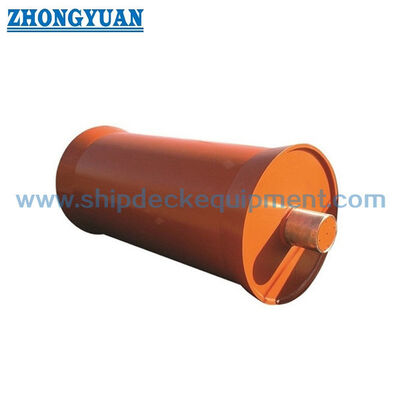
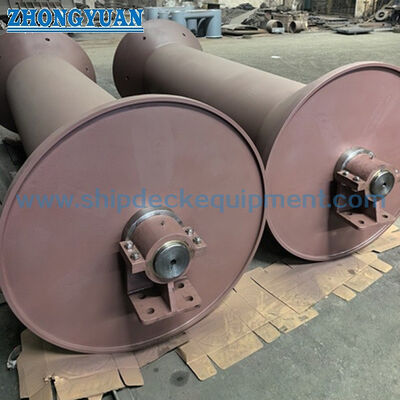
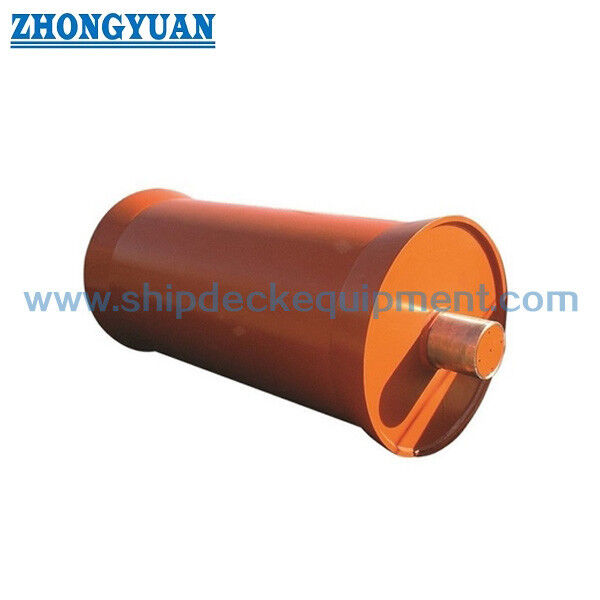
AHTS Stern Roller for Anchor Handling Vessels | Fixed or Rotating Shaft
Product Details:
| Place of Origin: | China |
| Brand Name: | Zhongyuan Marine Equipmen |
| Certification: | CCS, NK, BV, ABS, DNV, LR, KR, IRS, RS, RINA, CRS, Makers Test Certificate |
| Model Number: | Standard or Customized |
Payment & Shipping Terms:
| Minimum Order Quantity: | 1 Unit |
|---|---|
| Price: | Based on quotation |
| Packaging Details: | Export standard pallet or customized packing |
| Delivery Time: | Based on project requirements |
| Payment Terms: | T/T, L/C |
| Supply Ability: | Customized production based on project requirements |
|
Detail Information |
|||
| Sea Water Cooled: | Yes | No Grease Spills: | Yes |
|---|---|---|---|
| Length: | 3-6 Meter, Customized | Low Friction: | Yes |
| Self-lubricating Laminated Composite Bearings: | Yes | SWL: | 500KN To 7000KN |
| Ceritificate: | BV, ABS, DNV, LR, IRS, RMRS, Etc. | ||
| Highlight: | AHTS Maritime Stern Roller,Anchor Handling Vessel Maritime Stern Roller,SWL7000KN Maritime Stern Roller |
||
Product Description
AHTS Stern Roller for Anchor Handling Vessels | Fixed or Rotating Shaft
Product Overview
The AHTS stern roller is installed across the aft working deck of an anchor handling tug supply vessel or anchor handling tug to guide steel wire rope, synthetic rope, anchor chain, or specified hose during pay-out and recovery. By providing a rotating contact surface at the stern, it reduces sliding action at the deck edge and supports controlled line transfer between the winch working area and the sea.
The SWL 600-7000 kN reference series is project-engineered. Two shaft arrangements are available: a fixed shaft with the roller drum rotating around it, or a shaft and roller drum rotating together as one assembly. Water-lubricated and oil-lubricated bearing systems can be selected according to duty, sealing, maintenance, and vessel requirements. Finite element analysis is performed for each project using the confirmed load cases to verify the roller shell, cones, internal stiffeners, shaft, bearing reactions, mounting blocks, and vessel interface before design approval.
Quick Specifications
- Product type: Single maritime stern roller → aft-deck rolling support for anchor handling lines, chain, and specified hose.
- Reference SWL range: 600 to 7000 kN → model selection must follow the approved operational and structural load basis.
- Reference roller size: 520 to 5000 mm diameter and 3000 to 6000 mm length → geometry affects line curvature, deck opening, and hull integration.
- Line compatibility: steel wire rope, synthetic rope, anchor chain, or hose → contact surface and diameter should be checked for the actual handled medium.
- Shaft arrangement: fixed shaft with rotating drum, or shaft and drum rotating together → select according to bearing layout, load transfer, alignment, maintenance access, and vessel integration.
- Lubrication system: water lubrication or oil lubrication → bearing material, seals, circulation or supply arrangement, monitoring, drainage, and environmental controls are confirmed for each project.
- Engineering verification: project-specific finite element analysis → roller shell, cones, internal stiffeners, shaft, bearing reactions, mounting blocks, and vessel interface are checked against the approved load cases.
Main Technical Parameters
| Type | ZY60 | ZY 80 | ZY 100 | ZY 150 | ZY 200 | ZY 250 | ZY 300 | ZY 350 | ZY 400 | ZY 500 | ZY 700 |
| Length mm |
3000 | 3200 | 3600 | 3800 | 4000 | 4200 | 4400 | 4600 | 4800 | 5000 | 6000 |
| Diameter mm |
520 | 800 | 1200 | 1300 | 2000 | 2500 | 3000 | 3500 | 4000 | 4500 | 5000 |
| SWL KN |
600 | 800 | 1000 | 1500 | 2000 | 2500 | 3000 | 3500 | 4000 | 5000 | 7000 |
| For Reference only, each project will be specifically offered | |||||||||||
Selection & Inquiry Guide
Step 1: Confirm vessel type and duty: AHTS, anchor handling tug, towing support vessel, offshore support vessel, or replacement project.
Step 2: Provide the design load basis: required SWL, anchor handling winch maximum line pull, brake holding force if relevant, line / chain type and size, line breaking load, wrap angle, side lead, dynamic factor, operating cycles, and any abnormal or survival load cases required for finite element analysis.
Step 3: Confirm geometry and arrangement: roller length and diameter, stern opening, deck elevation, cone profile, adjacent shark jaw / towing pin arrangement, clearances, and required overboarding path.
Step 4: Confirm the mechanical arrangement: fixed shaft with rotating drum, or rotating shaft and drum assembly; then select water lubrication or oil lubrication together with bearing type, seals, circulation / supply arrangement, monitoring, drainage, and maintenance access.
Step 5: Confirm material, welding, and vessel integration scope: roller skin and cone steel grade, shaft material, internal stiffening, mounting blocks, hull foundation, deck reinforcement, WPS / PQR, alignment tolerance, and shipyard installation interface.
Step 6: Confirm calculation, inspection, and certification scope: FEA load cases and acceptance criteria, class society, design approval, material traceability, NDT method and extent, dimensional inspection, tightness test if applicable, FAT, and final documentation.
Step 7: Provide quantity, destination, required delivery time, vessel GA / stern arrangement drawing, winch data, line specification, and available reference photos.
Structure
Heavy-wall roller skin | Sloped conical end sections | Internal stiffeners | Fixed-shaft or rotating-shaft arrangement | Water- or oil-lubricated bearing system | Mounting blocks | Seals and monitoring connections as specified | Welded integration with vessel stern structure
Structural, Bearing & Installation Advantages
- The rotating contact surface changes the main line-to-deck interaction from sliding to rolling contact, helping reduce wear on the handled line, chain, hose, and stern deck edge during anchor handling operations.
- Roller diameter is selected together with the wire rope, chain, or hose geometry to control curvature and local contact. The required diameter is confirmed from the actual handled medium and approved operating load cases.
- Sloped cone geometry supports transfer of the line between the working deck and the central roller surface while avoiding an abrupt sharp edge at the roller ends.
- In the fixed-shaft arrangement, the shaft remains stationary in the vessel supports while the roller drum rotates around it through the selected bearing system. This configuration separates the stationary support member from the rotating shell.
- In the rotating-shaft arrangement, the shaft and roller drum rotate together as one assembly, with the support bearings located in the mounting blocks or bearing housings. Bearing reactions, shaft alignment, and sealing details are calculated for the confirmed vessel arrangement.
- Water lubrication and oil lubrication are alternative project configurations. Water-lubricated systems require a compatible bearing material and controlled supply / drainage, while oil-lubricated systems require an enclosed lubrication, sealing, leak-control, and monitoring arrangement.
- Finite element analysis is carried out for each project to review stress and deformation in the roller shell, cones, internal stiffeners, shaft, bearing support areas, mounting blocks, and vessel interface under the approved operational and design load cases.
- Manufacturing inspection, welding control, MT / UT / PT as applicable, dimensional inspection, alignment checks, lubrication-system testing, and any tightness test are arranged according to the approved drawing, ITP, material, and class requirement.
Custom Attributes
- SWL Range: 600-7000 kN → use the approved kN value as the governing selection parameter.
- Reference Models: ZY60 to ZY700 → nominal model codes for the supplied reference table; final designation is confirmed in the project offer.
- Roller Length: 3000-6000 mm → coordinate with stern width, clear working path, and mounting-block positions.
- Roller Diameter: 520-5000 mm → check line curvature, chain geometry, deck arrangement, and bearing reaction.
- Handled Medium: wire rope / synthetic rope / anchor chain / specified hose → contact surface and design basis depend on the actual medium.
- Shaft Arrangement: fixed shaft with rotating drum / shaft and drum rotating together → select according to load transfer, bearing layout, alignment, maintenance, and vessel structure.
- Lubrication System: water lubrication / oil lubrication → bearing material, seals, supply or circulation method, monitoring, drainage, and leak-control requirements are confirmed before design freeze.
- Structural & Installation Interface: high-tensile steel may be used for the roller skin, cones, shaft, and mounting blocks where required → exact grades, toughness, weld details, and hull reinforcement follow the approved calculation and class review.
- FEA & Inspection: project-specific finite element analysis with MT / UT / PT and dimensional checks as applicable → calculation scope, NDT method, acceptance criteria, and survey hold points follow the approved project ITP.
- Certificate Requirement: available according to project scope → design approval, class survey attendance, material certificates, test records, and final certificate type must be stated before quotation.
How It Works
Anchor handling winch pays out or recovers the line → Line approaches the stern roller at the confirmed lead and wrap angle → Depending on the selected design, the drum rotates around a fixed shaft or the shaft and drum rotate together → Water- or oil-lubricated bearings support the rotating components → Contact load is transferred through the bearings and mounting blocks into the vessel stern structure
Applications
Anchor handling tug supply vessels (AHTS) | Anchor handling tugs | Offshore support vessels | Towing support vessels | Anchor deployment and recovery | Wire rope and chain overboarding | Hose or cable handling where specifically designed
Certifications & Advantages
Class approval and certificates can be arranged according to the project requirement, design review scope, material traceability, manufacturing survey, testing plan, and flag / recognized organization requirements. Certificate availability is subject to contract and class approval.
Certification: CCS, NK, BV, ABS, DNV, LR, KR, IRS, RS, RINA, CRS, Makers Test Certificate.
Drawing & Photos

FAQ
Q1: How should the stern roller SWL, shaft arrangement, and size be selected?
A1: Do not select the roller from diameter or model code alone. Confirm the anchor handling winch maximum line pull, required SWL, line or chain data, wrap angle, side lead, dynamic factors, operating cycles, available stern space, preferred shaft arrangement, lubrication method, hull foundation, and class requirements. These inputs form the basis of the project-specific finite element analysis.
Q2: What is the difference between the two shaft arrangements?
A2: In the fixed-shaft arrangement, the shaft remains stationary and the roller drum rotates on bearings around it. In the rotating-shaft arrangement, the shaft and drum rotate together, with support bearings located in the mounting blocks or bearing housings. Selection depends on load distribution, bearing size, sealing, alignment, maintenance access, and vessel structure.
Q3: How are water lubrication and oil lubrication selected?
A3: Water lubrication can be selected where the bearing material, water supply, filtration if required, drainage, and monitoring are suitable for the operating environment. Oil lubrication requires an enclosed lubrication and sealing arrangement, oil-level or flow control, leak prevention, and maintenance access. The final system is confirmed according to duty cycle, class requirement, ambient conditions, and the approved design.