


|
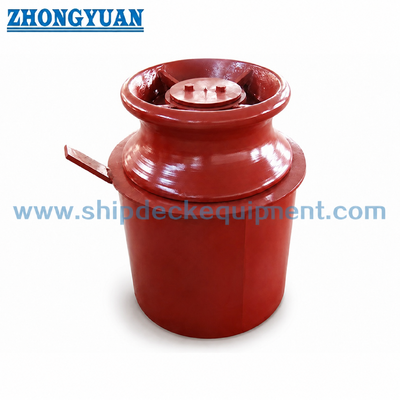
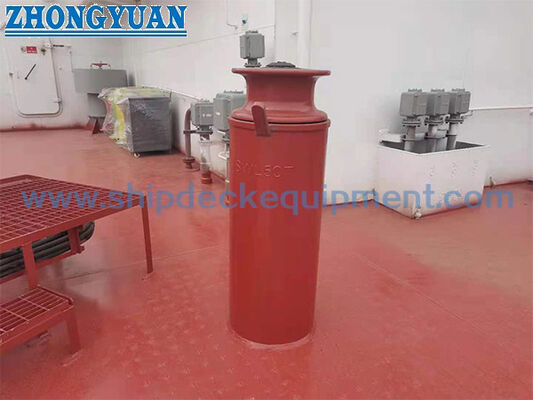
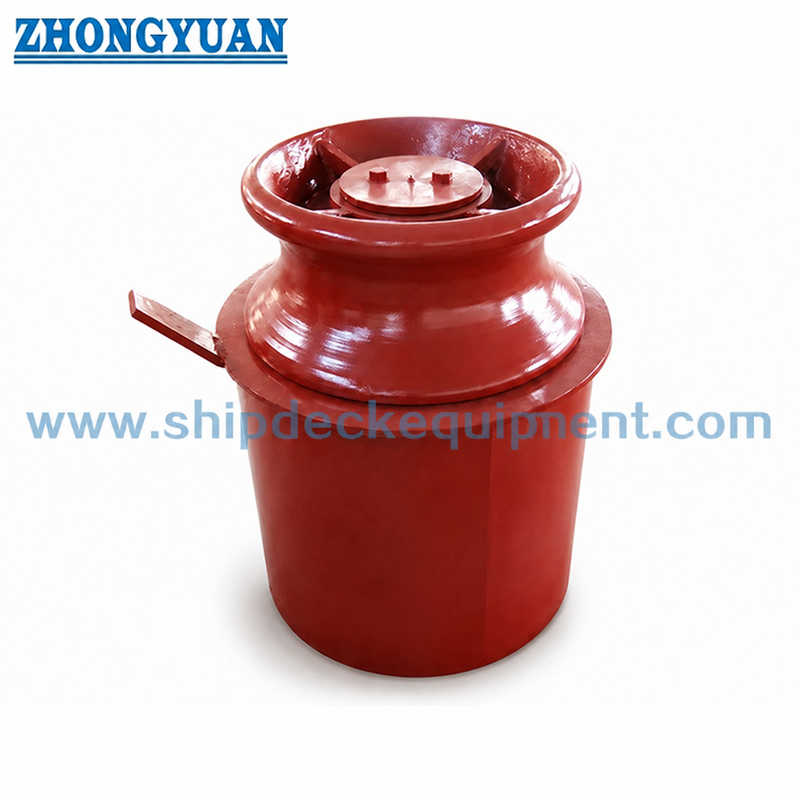
Cylindrical Pedestal Roller Fairlead | DIN 81907:1997 Form A, 10–320 kN
Product Details:
| Place of Origin: | China |
| Brand Name: | Zhongyuan Marine Equipmen |
| Certification: | CCS, NK, BV, ABS, DNV, LR, KR, IRS, RS, RINA, CRS, Makers Test Certificate |
| Model Number: | Standard or Customized |
Payment & Shipping Terms:
| Minimum Order Quantity: | 1 Unit |
|---|---|
| Price: | Based on quotation |
| Packaging Details: | Export standard pallet or customized packing |
| Delivery Time: | Based on project requirements |
| Payment Terms: | T/T, L/C |
| Supply Ability: | Customized production based on project requirements |
|
Detail Information |
|||
| Technical Standard: | DIN81906-1999 (Roller), DIN 81907-1997 | Type: | Form A Roller On Cylindrical Pedestal |
|---|---|---|---|
| Roller Diameters: | 160~560mm | Roller No.: | Single Roller |
| Roller Weight: | 12~580kg | Materials: | Mild Steel, C-Mn Steel, Stainless Steel, Casting Steel, NodularCast Iron |
| Surface Treatment: | Sandblasting To S2.5 + One Layer Of Epoxy Shop Primer, Polished Stainless Steel, Customized Surface Treatment Available. | Classification Certificates: | CCS, NK, BV, ABS, DNV, LR, KR, RINA, IRS, RS, Etc |
| Highlight: | DIN 81907 pedestal roller fairleads,CCS DIN 81907 pedestal roller fairleads,CCS Ship Mooring Equipment |
||
Product Description
Cylindrical Pedestal Roller Fairlead | DIN 81907:1997 Form A, 10–320 kN
Product Overview
The DIN 81907 Form A pedestal roller fairlead is a single-roller rope leading device used on ship mooring stations where the mooring line needs to change direction through a free-rotating vertical roller. Form A uses a cylindrical pedestal arrangement and is normally installed on the inboard deck or deck mooring area according to the vessel rope lead drawing, deck reinforcement, weld detail, and required working height.
This page focuses on Form A with DIN 81906 type roller and the supplied SWL range from 10 kN to 320 kN. The bronze bush and shaft lubrication interface is an important design point: proper grease access, shaft fit, bushing clearance, and maintenance access help the roller rotate smoothly, reduce sliding friction, and limit unnecessary wear on mooring ropes. Cast steel roller quality, non-destructive testing, and tensile testing can be arranged according to material grade, order scope, and class or project inspection requirement.
Quick Specifications
- Product type: DIN 81907 Form A pedestal roller fairlead → single vertical roller guide for ship mooring rope direction control.
- Standard reference: DIN 81907:1997-12 with DIN 81906 roller → used when the vessel or shipyard drawing specifies the German standard pedestal fairlead arrangement.
- Form: Form A cylindrical pedestal → different from Form B conical pedestal and should be confirmed before quotation.
- SWL range from supplied table: 10 to 320 kN → used for mooring fairlead selection; it should not be treated as lifting capacity.
- Form A pedestal height options: 200 to 800 mm for smaller nominal numbers and 200 to 600 mm for Nominal No. 20 and 32 → useful for matching rope lead height and deck layout.
- Roller diameter range: 160 to 560 mm reference → final roller size follows nominal number, SWL, rope arrangement, and project drawing.
- Lubrication focus: bronze bush and shaft lubrication design → supports flexible roller rotation and reduces rope wear caused by sliding contact.
- Inspection capability: casting quality control, NDT, and tensile testing available according to project requirement → inspection scope should be confirmed before production.
Main Technical Parameters
| Nominal No. |
SWL kN |
h Form A |
h Form B |
a | b | C | d1x S1 | d2 | d3 士1 |
d4 | d5 | f |
| 1 | 10 | 200 | - | 9 | 60 | 135 | 219,1 X 12,5 | 255 | 62 | - | - | 282 |
| 400 | - | - | - | 482 | ||||||||
| 600 | - | - | - | 682 | ||||||||
| 800 | - | - | - | 882 | ||||||||
| 2 | 20 | 200 | - | 9 | 60 | 135 | 273 X 12,5 | 310 | 72 | - | - | 305 |
| 400 | - | - | - | 505 | ||||||||
| 600 | - | - | - | 705 | ||||||||
| 800 | - | - | - | 905 | ||||||||
| 3 | 30 | 200 | - | 9 | 60 | 135 | 355,6 X 12,5 | 395 | 87 | - | - | 329 |
| 400 | - | - | - | 529 | ||||||||
| 600 | - | - | - | 729 | ||||||||
| 800 | - | - | - | 929 | ||||||||
| 5 | 50 | 200 | - | 9 | 60 | 135 | 457 X 12,5 | 495 | 108 | - | - | 363 |
| 400 | - | - | - | 563 | ||||||||
| 600 | - | - | - | 763 | ||||||||
| 800 | - | - | - | 963 | ||||||||
| 8 | 80 | 200 | - | 9 | 80 | 175 | 559 X 12,5 | 595 | 127 | - | - | 411 |
| 400 | - | - | - | 611 | ||||||||
| 600 | - | - | - | 811 | ||||||||
| 800 | - | - | - | 1011 | ||||||||
| - | 1000 | 560 | 825 | 1211 | ||||||||
| 12 | 120 | 200 | - | 10 | 80 | 175 | 660 X 14,2 | 705 | 162 | - | - | 459 |
| 400 | - | - | - | 659 | ||||||||
| 600 | - | - | - | 859 | ||||||||
| 800 | - | - | - | 1059 | ||||||||
| - | 1000 | 660 | 925 | 1259 | ||||||||
| - | 1200 | 660 | 975 | 1459 | ||||||||
| 20 | 200 | 200 | - | 12 | 100 | 220 | 660 X 17,5 | 705 | 192 | - | - | 483 |
| 400 | - | - | - | 683 | ||||||||
| 600 | - | - | - | 883 | ||||||||
| - | 800 | 660 | 870 | 1083 | ||||||||
| - | 1000 | 660 | 925 | 1283 | ||||||||
| - | 1200 | 660 | 975 | 1483 | ||||||||
| - | 1400 | 660 | 1030 | 1683 | ||||||||
| 32 | 320 | 200 | - | 12 | 100 | 220 | 813 X 16 | 865 | 232 | - | - | 553 |
| 400 | - | - | - | 753 | ||||||||
| 600 | - | - | - | 953 | ||||||||
| - | 800 | 810 | 1020 | 1153 | ||||||||
| - | 1000 | 810 | 1075 | 1353 | ||||||||
| - | 1200 | 810 | 1125 | 1553 | ||||||||
| - | 1400 | 810 | 1180 | 1753 |
|
Nominal No. |
l1 | l2 +1 -0.3 |
l3 | l4 | l5 | l6 ≈ Form A |
l6 ≈ Form B |
r | S2 | S3 | z ≈ |
| 1 | 174 | 38 | 70 | 20 | 80 | 10 | - | 10 | 13 | - | 2 |
| 2 | 228 | 38 | 70 | 20 | 80 | 10 | - | 10 | 13 | - | 3 |
| 3 | 310 | 38 | 70 | 20 | 90 | 10 | - | 10 | 13 | - | 3 |
| 5 | 412 | 38 | 70 | 20 | 110 | 10 | - | 10 | 13 | - | 3 |
| 8 | 504 | 45 | 80 | 30 | 130 | 15 | 13 | 15 | 16 | 15 | 3 |
| 12 | 602 | 70 | 110 | 30 | 180 | 15 | 14 | 15 | 16 | 15 | 3 |
| 20 | 585 | 81 | 130 | 40 | 200 | 20 | 22,5 | 20 | 20 | 15 | 5 |
| 32 | 740 | 131 | 180 | 40 | 240 | 20 | 20 | 20 | 20 | 15 | 5 |
Selection & Inquiry Guide
- Step 1: Confirm the required standard and form: DIN 81907 Form A cylindrical pedestal roller fairlead, not Form B conical pedestal.
- Step 2: Select the nominal number and SWL according to the mooring arrangement, rope lead direction, vessel drawing, and required working load basis.
- Step 3: Confirm Form A pedestal height h, overall f dimension, deck installation position, available rope lead height, and surrounding deck clearance.
- Step 4: Confirm the roller, bronze bush, shaft, lubrication point, grease access, and maintenance space so that the roller can rotate smoothly in service.
- Step 5: Confirm material grade, casting inspection scope, NDT method, tensile test requirement, surface treatment, and classification society requirement before quotation.
- Step 6: Provide quantity, application vessel type, installation drawing, reference photo if available, delivery destination, and required delivery time.
Structure
DIN 81906 type single roller | Cast steel roller body | Bronze bush and shaft interface | Lubrication / grease access design | Cylindrical pedestal tube | Welded deck base | Smooth rope-contact surface | Shop primer or specified surface treatment
Lubrication, Casting & Engineering Advantages
- The bronze bush and shaft interface is designed for low-friction rotation when correctly lubricated, helping the roller turn with the mooring line instead of forcing the rope to slide over a fixed surface.
- Grease access and maintenance clearance should be checked during selection, especially where the pedestal height or surrounding deck equipment may limit service access.
- Smooth cast steel roller surfaces reduce sharp local rope contact. Final rope wear performance also depends on rope type, line angle, load, surface finish, and maintenance condition.
- Controlled casting practice, dimensional inspection, and surface dressing help maintain roller roundness, shaft alignment, and rope-contact surface quality.
- NDT such as MT, PT, UT, or other inspection methods can be arranged when required by material grade, purchaser specification, or class witness scope.
- Tensile testing can be arranged for casting material or relevant test coupons according to order scope; the required test standard and acceptance criteria should be confirmed before production.
- The cylindrical pedestal arrangement is suitable when the vessel drawing specifies DIN 81907 Form A and requires a defined vertical roller height above deck.
- Deck welding detail and reinforcement should be checked by the shipyard or design office, because the pedestal fairlead transfers mooring line reaction forces into the local deck structure.
Custom Attributes
- Standard: DIN 81907 Form A with DIN 81906 roller → use when the shipyard or vessel drawing specifies German standard pedestal fairleads.
- Type: Form A cylindrical pedestal → suitable for projects requiring a straight cylindrical support instead of a conical pedestal.
- Nominal No.: 1 / 2 / 3 / 5 / 8 / 12 / 20 / 32 → select according to SWL, rope arrangement, and vessel mooring layout.
- SWL: 10 to 320 kN from supplied table → mooring fairlead selection basis only, not a lifting rating.
- Pedestal Height: 200 / 400 / 600 / 800 mm for most Form A sizes, and 200 / 400 / 600 mm for Nominal No. 20 and 32 → match rope lead height and deck arrangement.
- Lubrication Design: Bronze bush and shaft lubrication → grease access, shaft fit, bushing clearance, and maintenance condition should be confirmed.
- Material: Mild steel, C-Mn steel, stainless steel, cast steel, or nodular cast iron → exact material grade and standard should be confirmed before production.
- Surface Treatment: Sa 2.5 blasting + one layer epoxy shop primer as reference → galvanized, polished, or customized coating can be discussed when specified.
- Inspection: Casting inspection, NDT, and tensile testing available according to project requirement → inspection method, acceptance criteria, and witness scope should be agreed before order.
- Certificate Requirement: Available according to order scope → class certificate, material certificate, maker certificate, and witness inspection should be confirmed before quotation.
How It Works
Mooring rope approaches the pedestal roller → Roller rotates around the lubricated bronze bush and shaft → Smooth roller surface guides the line direction → Rope sliding friction and local wear are reduced → Pedestal transfers reaction force to the welded deck structure
Applications
Ocean-going vessels | Inland vessels | Cargo ships | Tankers | Bulk carriers | Container vessels | Tugboats | Workboats | Deck mooring stations | Newbuilding and replacement projects
Certifications & Advantages
Certificates can be arranged according to project requirement, inspection scope, material traceability, and class society approval procedure.
Certification: CCS, NK, BV, ABS, DNV, LR, KR, IRS, RS, RINA, CRS, Makers Test Certificate.
Drawing & Photos

FAQ
Q1: How should the correct DIN 81907 Form A size be selected?
A1: Select the nominal number according to the vessel mooring arrangement, required SWL, rope lead angle, roller height, deck position, and shipyard drawing. The supplied table is the selection reference for the webpage; project approval should follow the vessel drawing and class requirement when applicable.
Q2: Why is the bronze bush and shaft lubrication design important?
A2: The fairlead should guide the mooring rope through roller rotation, not through excessive sliding contact. Proper lubrication, bushing clearance, shaft alignment, and grease access help the roller rotate smoothly and reduce unnecessary rope surface wear.
Q3: Can NDT and tensile testing be supplied with the product?
A3: Yes, NDT and tensile testing can be arranged according to project requirement, material grade, and inspection scope. The required method, acceptance criteria, witness inspection, and certificate type should be confirmed before production.