


|
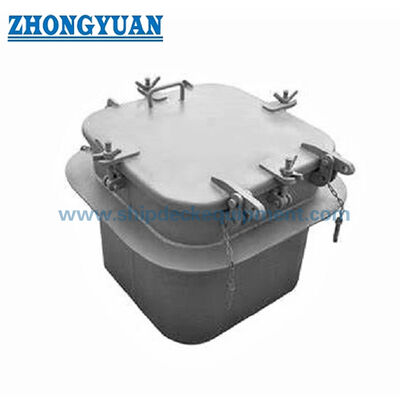
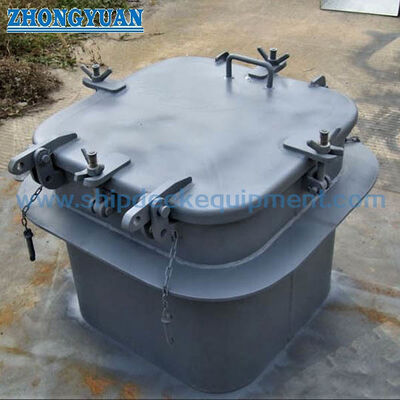
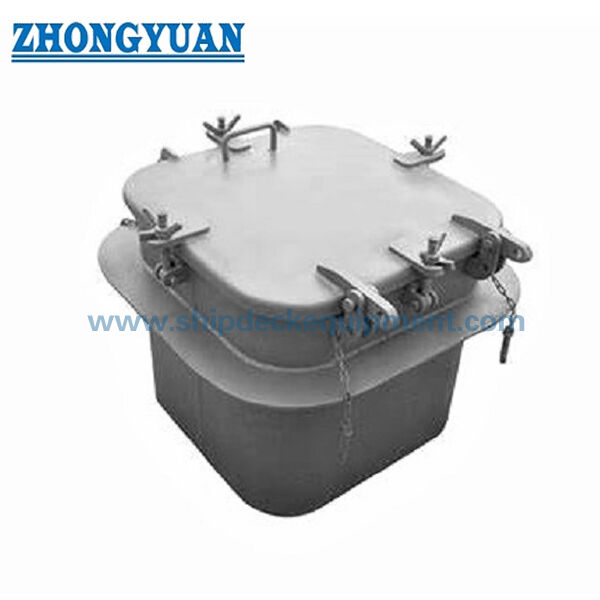
Weathertight Small Steel Hatch Cover with Butterfly Nuts | CB/T 3728 Type A / UR S26 Ship Deck Access
Product Details:
| Place of Origin: | China |
| Brand Name: | Zhongyuan Marine Equipmen |
| Certification: | CCS, NK, BV, ABS, DNV, LR, KR, IRS, RS, RINA, CRS, Makers Test Certificate |
| Model Number: | Standard or Customized |
| Document: | Marine weathertight steel h...95.pdf |
Payment & Shipping Terms:
| Minimum Order Quantity: | 1 Unit |
|---|---|
| Price: | Based on quotation |
| Packaging Details: | Export standard pallet or customized packing |
| Delivery Time: | Based on project requirements |
| Payment Terms: | T/T, L/C |
| Supply Ability: | Customized production based on project requirements |
|
Detail Information |
|||
| Standard: | CB/T 3728-2011 | Packing Materials: | Neoprene, NBR ,Hi - NBR |
|---|---|---|---|
| Material: | Stainless Steel, Mild Steel | Test: | Hose Test, Chalk Test |
| Dimension: | As Standard Or Customized | Application Type: | Weather-tight |
| Open & Closing: | Butterfly Nut And Hinged | Surface Treatment: | Sandblasting To S2.5 + One Layer Of Epoxy Shop Primer, Polished, Galvanized, Customized Surface Treatment Available. |
| Classification Certificates: | CCS, NK, BV, ABS, DNV, LR, KR, IRS, RS, RINA | ||
| Highlight: | URS26 Weathertight Hatch Cover,Small Marine Hatch Cover,Steel Marine Hatch Cover |
||
Product Description
Weathertight Small Steel Hatch Cover with Butterfly Nuts | CB/T 3728 Type A / UR S26 Ship Deck Access
Product Overview
The CB/T 3728 Type A weathertight small steel hatch cover is a hinged deck access cover secured by butterfly nuts. It is used for ship deck openings where crew need reliable access to stores, dry spaces, service compartments, or other non-tank spaces while maintaining weather-tight closure against spray, rain, and green-water exposure according to the vessel arrangement.
This page is prepared for the customer-supplied CB/T 3728-2011 Type A / UR S26 style hatch cover data. The butterfly nut arrangement allows one-person tightening without special tools, while the elastic gasket, hatch coaming, hinge arrangement, and optional balance hammer should be checked together with the installation location, cover size, coaming height, hose test requirement, and classification society approval scope. Final acceptance should follow the project drawing and class requirement.
Quick Specifications
- Product type: Weathertight small steel hatch cover → hinged deck access cover for weather-exposed ship openings.
- Standard reference: CB/T 3728-2011 Type A as supplied → final standard status and project acceptance should be confirmed before release.
- UR S26 relevance: butterfly nut primary securing is aligned with small hatch securing practice → secondary securing and hinge direction should be confirmed when UR S26 applies.
- Nominal size range: 450×630 to 1330×1330 mm → covers common small deck access hatch openings.
- Cover thickness options: 4 / 6 / 8 mm from supplied table → selected by nominal size, exposed location, and project requirement.
- Packing material: Neoprene, NBR, or Hi-NBR → gasket material should match weather exposure, oil contact risk, and compression requirement.
- Opening and closing: hinged cover with butterfly nuts → designed for manual operation and tightening by crew without special tools.
- Testing: hose test and chalk test available → 2 bar hose test at 1.5 m distance is stated in the supplied product data and should be confirmed by shipyard test procedure.
Main Technical Parameters
| Nominal Size |
Opening Clear Size L1 XB1 X R1 |
Cover Size L2 X B2 |
Cover Thickness t |
Hatch Coaming | Butterfly Clip |
Weight (kg) Exclusive coaming |
||
| t0 | H | Dia. | Quantity | |||||
| 450×630 | 420×600×100 | 508×688 | 4 | 4,6 |
100 150 200 250 450 600 |
M16 | 4 | 24.4 |
| 512×692 | 6 | 6,8 | 31.1 | |||||
| 516×696 | 8 | 8,11 | 37.7 | |||||
| 530×530 | 500×500×100 | 588×588 | 4 | 4,6 | 24.2 | |||
| 592×592 | 6 | 6,8 | 30.8 | |||||
| 596×596 | 8 | 8,11 | 37.4 | |||||
| 630×630 | 600×600×100 | 682×688 | 4 | 4,6 | M20 | 31 | ||
| 692×692 | 6 | 6,8 | 39.8 | |||||
| 696×696 | 8 | 8,11 | 48.5 | |||||
| 630×830 | 600×800×100 | 688×888 | 4 | 4,6 | 37.4 | |||
| 692×892 | 6 | 6,8 | 48.5 | |||||
| 696×896 | 8 | 8,11 | 59.7 | |||||
| 830×830 | 800×800×100 | 888×888 | 4 | 4,6 | 6 | 47.1 | ||
| 892×892 | 6 | 6,8 | 61.2 | |||||
| 896×896 | 8(注3) | 8,11 | 75.3 | |||||
| 830×1230 | 800×1200×100 | 888×1288 | 4 | 4,6 | 8 | 65.2 | ||
| 892×1292 | 6 | 6,8 | 85.3 | |||||
| 896×1296 | 8 | 8,11 | 800 | 175.2 | ||||
| 1030×1030 | 1000×1000×100 | 1092×1092 | 4 | 4,6 | 8 | 146.6 | ||
| 1096×1096 | 8 | 6,8 | 190.9 | |||||
| 1330×1330 | 1300×1300×100 | 1396×1396 | 8 | 8,11 | 800 | 8 | 331.3 | |
Selection & Inquiry Guide
Step 1: Confirm the required standard and approval basis: CB/T 3728 Type A, UR S26 requirement, GB/T 23426 reference, shipyard standard, or project-specific drawing.
Step 2: Select nominal size, clear opening, cover thickness, cover size, coaming height, butterfly clip diameter, and clip quantity according to the deck opening and access requirement.
Step 3: Confirm installation location: exposed fore deck, working deck, accommodation area, cargo access area, or replacement hatch. UR S26 application should be checked by the designer or class society.
Step 4: Confirm material and sealing details: mild steel or stainless steel, gasket material, metal-to-metal contact design, hinge arrangement, and whether a secondary securing device is required.
Step 5: Confirm operation details: butterfly nut layout, one-person tightening requirement, hinge side, optional balance hammer for larger covers, and clearance around the hatch for safe opening.
Step 6: Confirm surface treatment, hose test, chalk test, certificate scope, quantity, delivery destination, required delivery time, installation drawing, and real photos if available.
Structure
Hinged steel hatch cover | Hatch coaming | Elastic gasket | Butterfly nut securing clips | Hinge arrangement | Optional balance hammer for larger covers | Secondary securing device when required | Shop primer, galvanized, polished, or customized finish
Weathertight, Securing & Installation Advantages
- Butterfly nuts allow crew to tighten the hatch cover manually without special tools, which is important for routine deck access and maintenance operations.
- The elastic gasket and cover compression should be designed to maintain weathertightness while avoiding over-compression that may reduce gasket service life.
- For exposed fore deck applications, UR S26-type considerations include primary securing method, metal-to-metal contact, hinge orientation, and independent secondary securing if required by class.
- Larger hatch sizes can be fitted with a balance hammer at the hinge side to reduce opening effort and improve crew handling safety.
- Hose testing and chalk testing help verify sealing performance after fabrication and installation; test pressure, distance, and acceptance procedure should be agreed with the shipyard.
- Cover thickness, coaming thickness, coaming height, and clip quantity should be selected according to deck location, hatch size, vessel rule requirement, and project drawing.
- Surface treatment options allow the hatch cover to match the vessel corrosion-protection system, including shop primer, galvanized finish, polished stainless steel, or customer-specified coating.
Custom Attributes
- Standard: CB/T 3728-2011 Type A → supplied standard reference for small steel hatch cover dimensions and construction.
- UR S26 Requirement: To be confirmed → applies only when the vessel, location, and class rule require IACS UR S26 small hatch strength and securing arrangement.
- Nominal Size: 450×630 to 1330×1330 mm → select according to required clear access opening and deck arrangement.
- Cover Thickness: 4 / 6 / 8 mm → selected by nominal size, strength requirement, and project drawing.
- Packing Material: Neoprene / NBR / Hi-NBR → gasket choice should match weather exposure, oil exposure risk, and compression requirement.
- Operation: Hinged cover with butterfly nuts → manual securing by crew, with optional balance hammer for heavy covers.
- Test: Hose test and chalk test → test method and acceptance criteria should be confirmed before order.
- Certificate Requirement: Available according to order scope → class certificate, maker certificate, and inspection report should be confirmed before quotation.
How It Works
Deck opening and coaming are prepared → Hinged hatch cover closes onto the gasket → Butterfly nuts are tightened to compress the gasket → Metal-to-metal support and securing devices hold the cover in place when required → Hose test / chalk test verifies the sealing condition after installation
Applications
Exposed ship decks | Fore deck access openings | Store room access | Dry cargo / service compartment access | Accommodation deck access | Newbuilding projects | Ship repair and replacement hatch covers
Certifications & Advantages
Certificates can be arranged according to project requirement, inspection scope, material traceability, test requirement, and class society approval procedure.
Certification: CCS, NK, BV, ABS, DNV, LR, KR, IRS, RS, RINA, CRS, Makers Test Certificate.
Drawing & Photos

FAQ
Q1: Is this hatch cover automatically UR S26 compliant?
A1: No. The product can be prepared for UR S26-type applications, but actual compliance depends on ship type, hatch location, exposed fore deck requirement, cover scantlings, securing arrangement, secondary securing device, hinge direction, and class approval.
Q2: What is the difference between hose test and chalk test?
A2: A hose test checks weathertight sealing with water spray after fabrication or installation, while a chalk test is commonly used to check gasket contact and compression marks. The exact method and acceptance criteria should follow the shipyard or class procedure.
Q3: When is a balance hammer needed?
A3: A balance hammer is normally considered for larger or heavier hatch covers to assist crew during opening and closing. The requirement should be confirmed according to cover size, installation height, hinge side, crew access space, and shipyard safety practice.